Updated
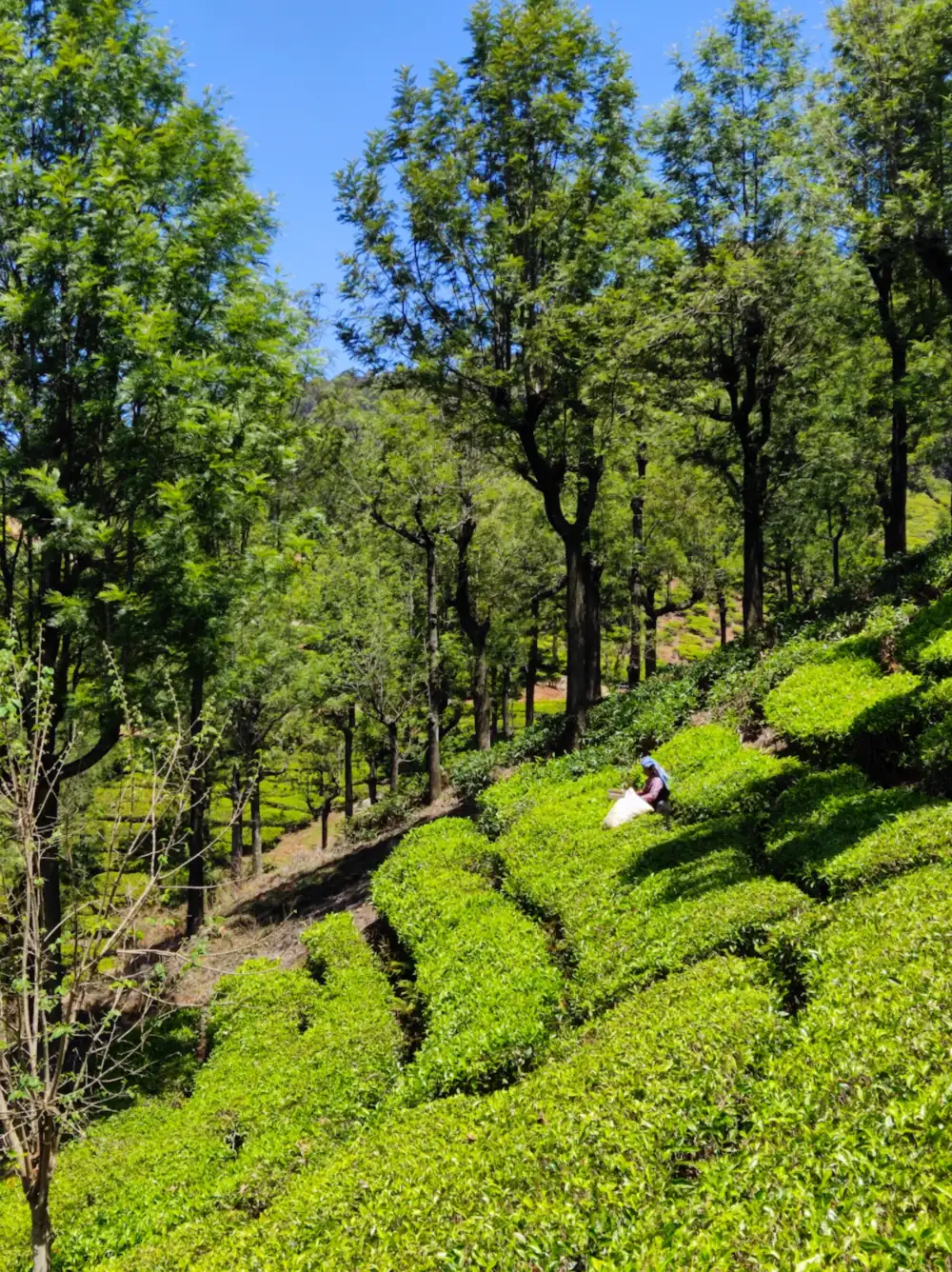
Makaibari, just outside Kurseong, is one of the oldest tea gardens in the Darjeeling hills. It was founded in 1852, built the first tea factory in Darjeeling district in 1859, and in 1988 became the first garden in Darjeeling certified fully organic. Visitors come to walk the slopes, watch tea being made and stay with tea-garden families.
History
Captain Samler, an agent of the Darjeeling Tea Company, started the garden in 1852 and soon sold it to Girish Chandra Banerjee, who ran a commissary and the mail service in Kurseong. The Banerjee family then ran Makaibari for well over a century, which made it one of the few Darjeeling gardens owned by an Indian family.
Its first factory, commissioned in 1859, was the first in Darjeeling district; it closed in 1933. From the 1970s Swaraj Kumar (Rajah) Banerjee turned the estate to organic and biodynamic farming. The Luxmi Group took over in 2014, and Rudra Chatterjee has run the estate since 2017.
The garden and its tea
Of about 670 hectares, only around 120 are under tea; the rest is kept as forest, which helps make the estate good birdwatching country, with more than 200 species reported. The garden runs from roughly 600 m up to about 1,500 m.
Makaibari teas have set records at auction: in 2014 a lot of handcrafted second flush sold for $1,850 a kilo, reported as the most expensive Indian tea ever sold. The estate was also among the first to be Fair Trade certified.
Visiting Makaibari
Tea-plucking families in the estate's villages run homestays: about fourteen, according to a 2022 report. Rajah Banerjee first tried homestays in the 1990s; the present programme grew from 2003 and took off after 2008. Guests can join the plucking, visit the factory, taste tea and go on village and forest walks, and meals are cooked at home.
The homestays' busiest seasons are mid-March to June and September to Christmas. Contact the estate or the homestay programme before you go, since tours are not run on a fixed public schedule.
Makaibari Tea Estate: questions
When was Makaibari Tea Estate founded?
In 1852, by Captain Samler of the Darjeeling Tea Company. Its tea factory, the first in Darjeeling district, followed in 1859.
Who owns Makaibari Tea Estate?
The Luxmi Group, which acquired it in 2014. Before that it was owned by the Banerjee family for well over a century.
Can you stay at Makaibari?
Yes. Tea-garden families in the estate's villages run homestays, about fourteen of them according to a 2022 report.
Is Makaibari tea organic?
Yes. Makaibari was the first Darjeeling garden to be certified fully organic, in 1988, and is farmed biodynamically.