Updated
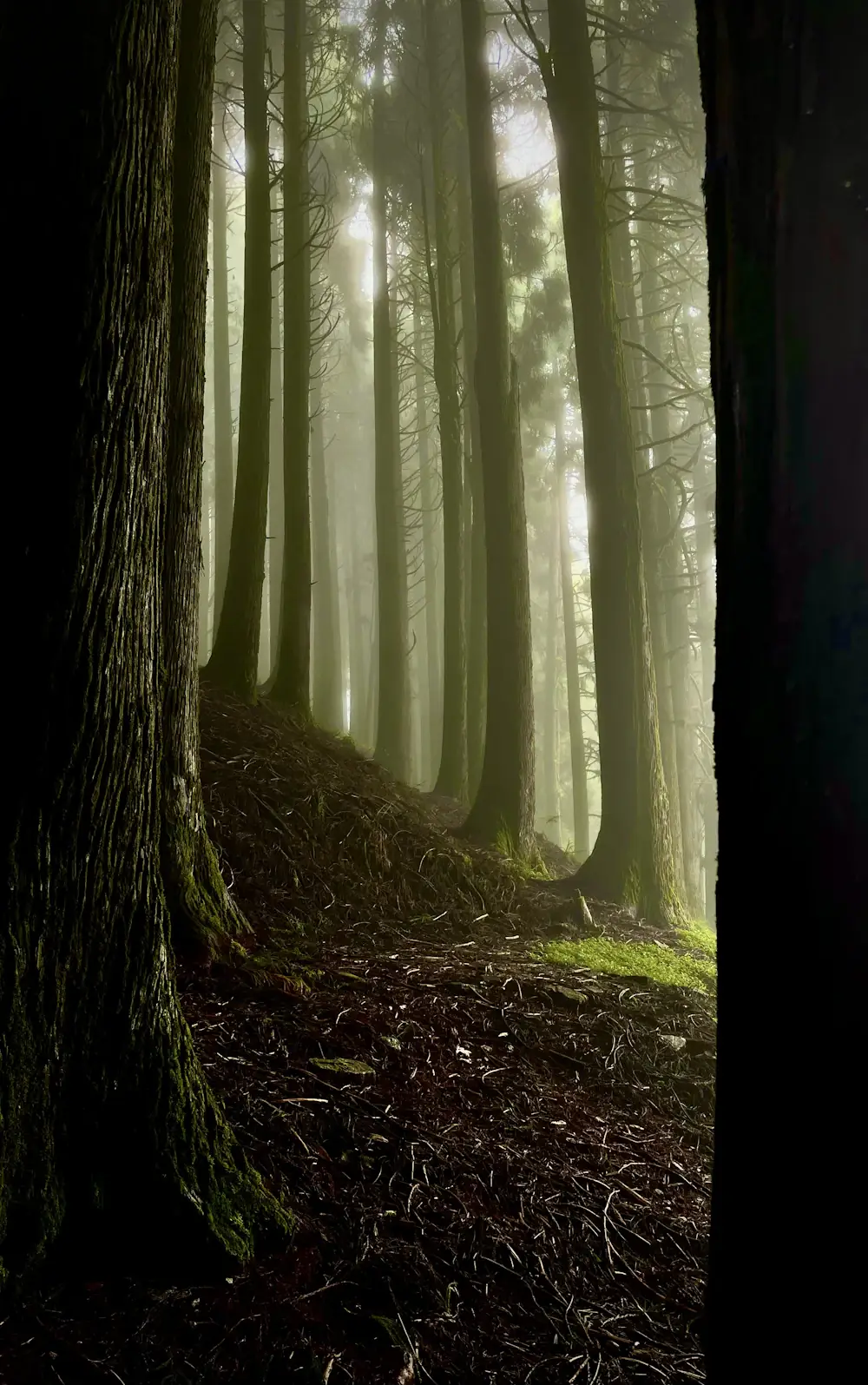
Buxa Fort stands on a forested hill inside Buxa Tiger Reserve, about 30 km from Alipurduar town, on the old route from the plains into Bhutan. Bhutan built it as a gateway outpost, the British took it in 1865, and in the 1930s and 1940s it became one of the most feared detention camps for India's freedom fighters. After 1959 its prison grounds sheltered Tibetan monks who had fled with the Dalai Lama's exile, and since 2020 the state has been restoring what survives.
History of Buxa Fort
A Bhutanese gateway. Bhutan used the fort as a military post guarding one of the passes, or duars, that link the plains with Bhutan and, beyond it, Tibet. The kings of Cooch Behar disputed it, and it was the Cooch Behar ruler who first invited the British in. After the Duar War, the fort passed to British India under the Treaty of Sinchula, signed on 11 November 1865, and the British rebuilt it in stone; the original was built of bamboo.
The detention camp. From 1930 to 1937 Buxa was used as a detention camp under the Bengal Criminal Law Amendment Act of 1930, and it served again as a special jail in 1942–47 and 1949–51. Its remoteness gave it a reputation second only to the Cellular Jail in the Andamans. Revolutionaries of the Anushilan Samiti and Yugantar groups were held here, and later the poet Subhash Mukhopadhyay, who wrote about the jail. Rabindranath Tagore sent the prisoners a poem to lift their spirits. A popular story that Subhas Chandra Bose was held at Buxa is not supported by research.
Buxa Chogar. After the Tibetan uprising of March 1959, monks who escaped from Drepung and other monasteries reached India through Bhutan and set up a monastic study centre and refugee camp, known as Buxa Chogar, in the old prison grounds. Conditions were hard, and in 1971 the monks moved to new settlements at Bylakuppe and Mundgod in Karnataka.
Restoration and what you see today
For decades the fort was a ruin in the forest. In August 2020 the state Public Works Department began a restoration funded by the Information and Cultural Affairs department. The first phase, finished in 2022, repaired the prison cells, passages, gates, boundary walls and barracks; later phases have worked on the southern block, which once held a TB hospital, and the fort was lit with decorative lights for the first time in early 2024. Museum displays were being planned, so check locally what is open.
Visiting Buxa Fort
There is no road to the fort. Vehicles stop at Santalabari, and from there a forest path climbs about 5 km to the fort. Beyond it, trails continue about 5 km to the hill village of Lepchakha and about 3 km to Rovers Point. Buxa is a tiger reserve: entry rules and permits are set by the forest department, and the reserve may close in the monsoon, so check before you go. The nearest railhead is Alipurduar Junction, and Rajabhatkhawa is the usual starting point for the drive to Santalabari.
Buxa Fort: questions
Who built Buxa Fort?
It was a Bhutanese fort guarding the route between the plains, Bhutan and Tibet. The British took it over after the Treaty of Sinchula in 1865 and rebuilt it in stone.
Was Subhas Chandra Bose imprisoned at Buxa Fort?
No. Research cited on Wikipedia found that Bose was not held there, although many other revolutionaries were detained at Buxa in the 1930s and 1940s.
How do you reach Buxa Fort?
By road to Santalabari, beyond Rajabhatkhawa, and then a walk of about 5 km uphill through the forest. Check forest department entry rules first.
What is the altitude of Buxa Fort?
Sources give about 2,700 to 2,844 ft, roughly 820 to 870 m above sea level.